Tag: https://www.m88linkvn1.com
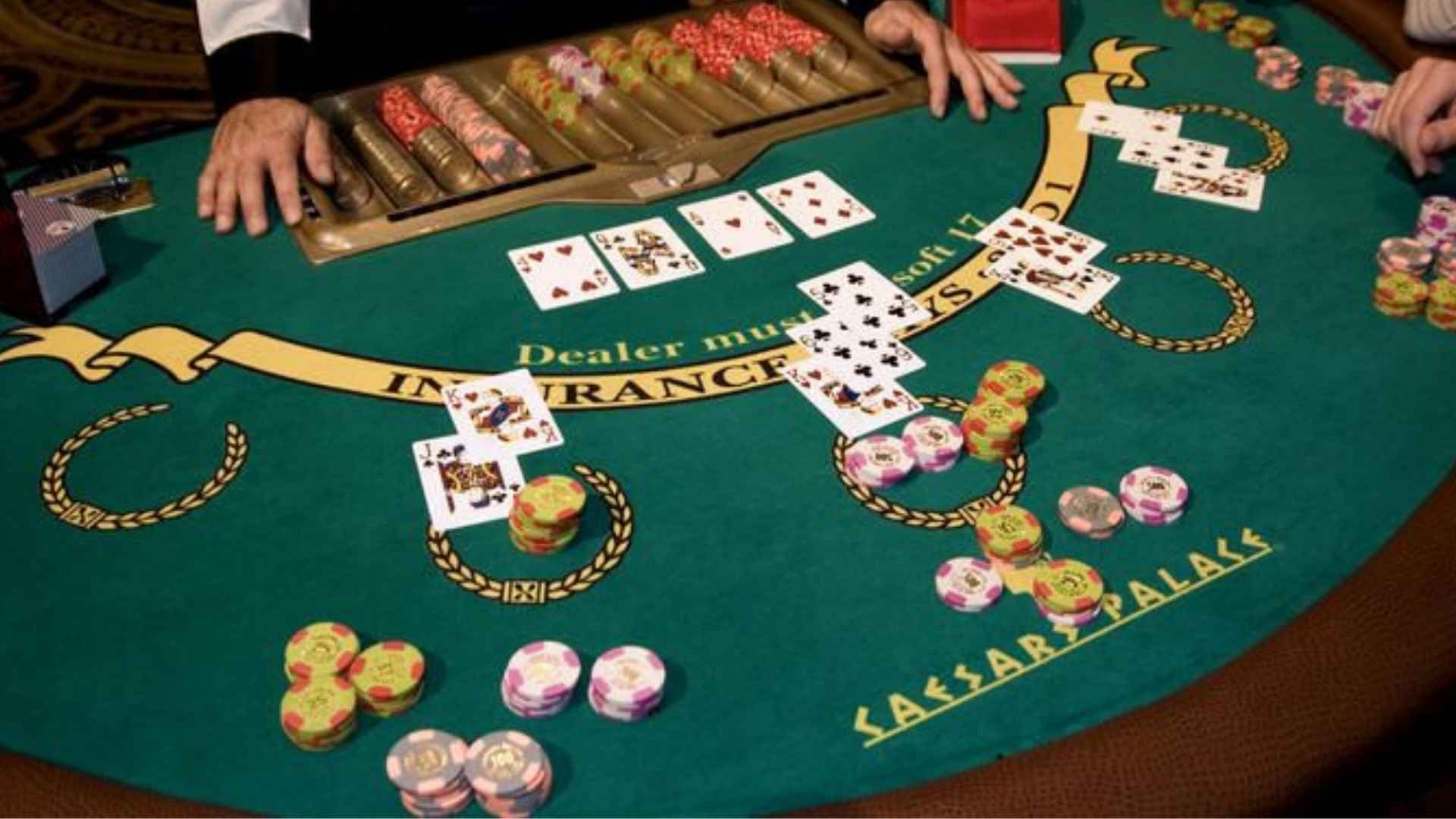
The Hidden Pressure Of Being Card Dead For...
Sitting at a poker table for extended sessions without receiving playable holdings creates a quiet psychological strain that test even experienced players. While spectator interest focuses on high-stakes showdowns, the silent struggle of remaining inactive due to poor card distribution demands incredible mental resilience. Navigating long stretches without action requires deep discipline to prevent emotional exhaustion from compromising rational judgment.
The Weight of Prolonged Inactivity
Experiencing extended periods without strong cards forces players to constantly fold before seeing a flop. This repetitive cycle can make an individual feel disconnected from the flow of the game, leading to subtle frustration. Over time, the absence of active participation creates an internal urge to play weaker holdings just to feel involved.
This mental fatigue often manifests as subtle impatience that erodes a player's strategic baseline. When every hand dealt seems unusable, maintaining consistent focus becomes significantly more difficult. Recognizing this psychological weight is the first step toward safeguarding your decision-making process.
The Danger of Unconscious Risk-Taking
As hours pass without quality hands, players frequently experience a cognitive shift toward higher risk tolerance. The desire to break a cold streak can cause someone to call raises or launch speculative bluffs with unpromising starting combinations. These impulsive adjustments often result in avoidable losses that further compound feelings of regret.
Many enthusiasts study competitive dynamics and strategic guides on digital platforms such as m88 cá cược trực tuyến to better understand risk management during quiet sessions. Learning to resist the temptation of playing weak cards is vital for preserving stack depth. Staying disciplined ensures that when a genuine opportunity arrives, you have the capital necessary to capitalize.
Preserving Focus Through Active Observation
Instead of viewing a card-dead stretch as lost time, skilled strategists redirect their mental energy toward gathering valuable intelligence on their opponents. Observing betting frequencies, showdown habits, and timing tells keeps the brain engaged without risking chips. Converting passive waiting into structured analytical work maintains mental sharpness throughout long sessions.
This proactive approach transforms boredom into a distinct tactical advantage at the table. By remaining observant, you construct detailed profiles of table dynamics that inform future plays. Consequently, inactivity becomes a productive phase of strategic preparation rather than a period of idle frustration.
Strategies for Emotional Balance
Managing the psychological toll of bad variance relies heavily on emotional regulation and realistic expectations. Accepting that card distribution is completely random helps remove personal frustration from the equation. Understanding that long card-dead stretches are a normal statistical reality prevents emotional reactions from influencing strategy.
Taking brief physical breaks during extended sessions can also reset your cognitive state and restore patience. Stepping away from the table for a few minutes clears residual tension and helps maintain long-term composure. Ultimately, mastering self-control during quiet hours defines a truly resilient player.