Understanding Different Approaches To Prize Distribution
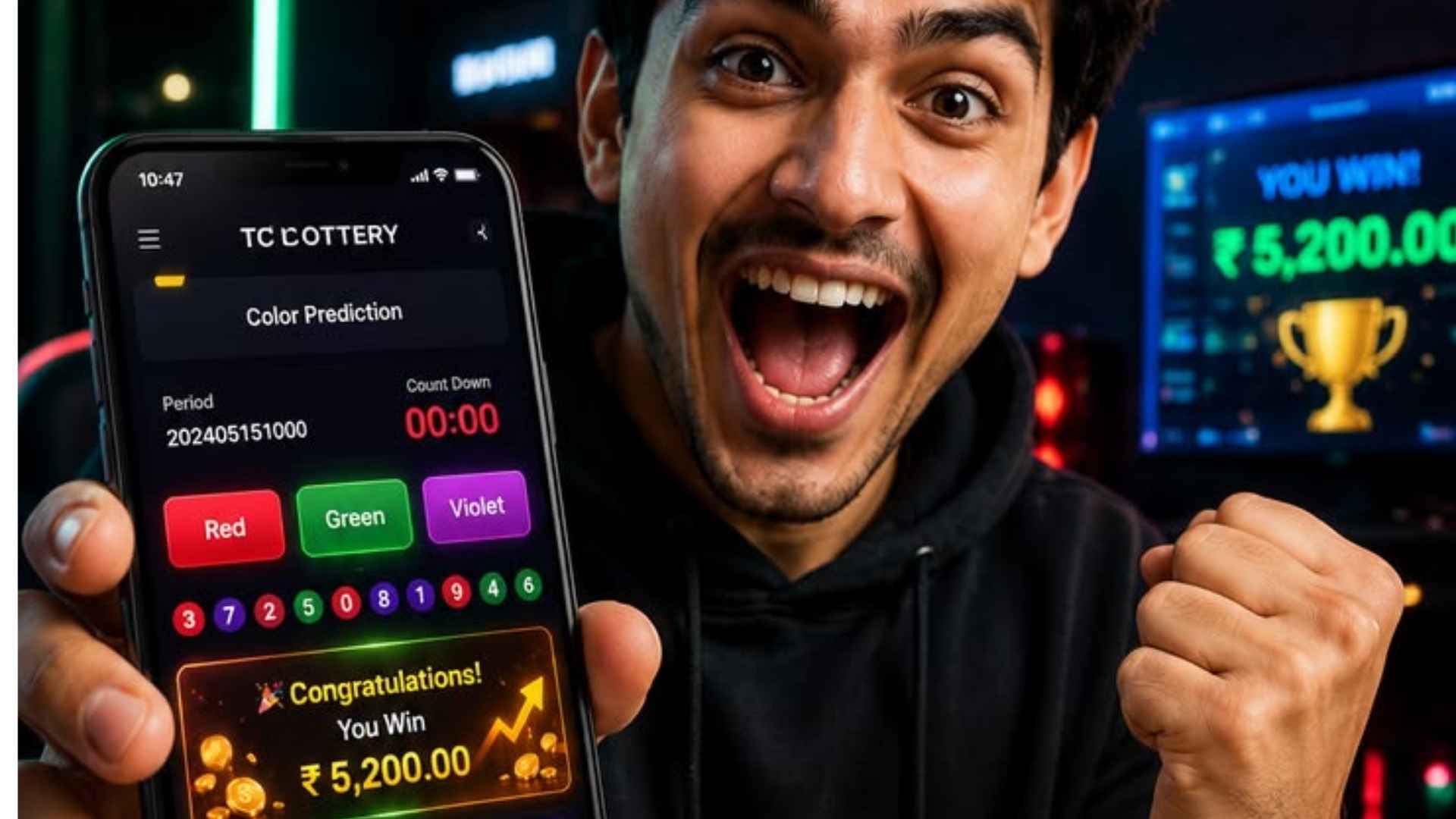
Digital platforms and promotional campaigns rely heavily on structured reward allocation systems to build engagement and maintain participant trust. The method an organizer selects to distribute rewards fundamentally shapes user behavior, satisfaction, and long-term loyalty. Exploring these varied models reveals how modern businesses balance fairness, transparency, and computational efficiency across virtual ecosystems.
The Framework of Linear and Tiered Allocation
Many interactive platforms favor a milestone-based system where participants unlock specific tiers through consistent engagement or activity. This predictable method establishes clear goals, allowing users to track their progress and anticipate upcoming rewards directly. By providing measurable milestones, creators can effectively sustain basic participation over prolonged timelines.
However, relying solely on linear progression can sometimes lead to user fatigue if the effort required becomes too high. Organizers frequently combine this structure with periodic bonuses to keep the experience refreshing and dynamic. This strategic blend ensures that users remain motivated while pursuing long-term platform achievements.
The Mechanics of Automated Random Distribution
In contrast to fixed progression models, randomized distribution structures introduce an element of pure chance that levels the playing field for all active participants. Modern digital software utilizes sophisticated mathematical algorithms to select winners without any inherent human bias or manual interference. This approach ensures that every single entry receives an identical mathematical probability of success.
The thrill of unpredictable outcomes naturally triggers heightened curiosity and immediate engagement across diverse global audiences. For instance, platforms featuring an m88 slot login utilize highly secure random number generators to manage their digital promotional events fairly. This strict compliance with algorithmic equity builds baseline consumer confidence and encourages regular community interaction.
Implementing Hybrid Models for Balanced Engagement
To capture the benefits of both predictability and excitement, many modern developers implement sophisticated hybrid allocation frameworks. These integrated systems offer steady baseline rewards for regular tasks alongside unexpected mystery drops. This approach satisfies users who prefer stable progress while still catering to those who enjoy random surprises.
Structuring promotional events this way maximizes audience retention by appealing to multiple psychological drivers simultaneously. It ensures that standard community members feel valued for their time while maintaining a vibrant atmosphere of potential high-value wins. Ultimately, this balanced technique represents the modern standard for sustainable interactive media campaigns.
Establishing Long Term Trust Through Open Processes
Regardless of the specific system used, maintaining complete transparency in how rewards are handled is essential for any promotional campaign. Providing clear rules, open winner registries, and verifiable selection methods helps reduce audience skepticism significantly. When participants understand the underlying mechanics, their willingness to engage grows exponentially.
Auditing these automated systems regularly further strengthens platform credibility within highly competitive digital landscapes. Clear communication regarding odds and structural limits ensures a safe, fair, and enjoyable environment for everyone involved. Investing in visible integrity ultimately transforms casual interactions into meaningful, multi-year community relationships.